Featured
Table of Contents
Freely connect with your therapist regarding any problems or modifications in your mental health and wellness, and with each other, you can determine the most appropriate training course of activity. Open and honest communication with your therapist is crucial when discussing the regularity of the sessions. Right here are some tips on just how to effectively communicate your needs and concerns: Take a while to assess your treatment experiences and just how the current frequency is impacting your development and well-being and whether you need.
Take these suggestions right into factor to consider and go over any kind of appointments or issues you may have. Keep in mind, your therapist exists to support you in your psychological health and wellness journey. By preserving open and transparent communication, you can function together to find the frequency that best sustains your development and well-being.
It's necessary to acknowledge that the regularity of sessions can be readjusted based on the customer's needs and progress. If you're battling with anxiety and discover that you desire much more support, it's completely reasonable to share your need to see your therapist more frequently. Strongly mentioning, "I intend to see my therapist regularly," during a session can unlock to going over potential changes in session frequency.
Growth from Unrealistic Standards to Authenticity
Sometimes, clients with much more extreme clinical depression or who frequently have thoughts of suicide or self-harm may take advantage of DBT. When you're getting involved in DBT you normally will have a weekly private treatment session, an once a week 2 hour team skills training session and some training calls with your therapist. So, that's a larger time dedication yet is an incredibly reliable way to treat anxiety.
We are devoted to providing the degree of care that finest sustains your journey toward improved mental wellness and wellness. Treatment regularity is a vital element of psychological health and wellness therapy, and it's important to locate the ideal equilibrium that fits your unique needs. While therapy every two weeks can be suitable for some individuals, it might not give the essential support and development for others.
It's essential to bear in mind that treatment is not one-size-fits-all, and the ideal frequency of sessions can differ significantly from one person to another. For some, therapy every 2 weeks might be adequate, especially when they remain in a stable stage of their therapy trip. This frequency permits more prolonged periods of self-reflection and technique of the skills discovered in therapy.
Constructing a Positive Collaboration with Your Clinician

Throughout this time around, the regularity of sessions may require to be adjusted based upon your development and advancing demands. Sometimes, treatment when a week isn't adequate to resolve complex psychological wellness conditions or extreme signs. Individuals dealing with injury or extreme anxiousness might profit from even more frequent sessions to ensure constant support and signs and symptom management.
Don't wait to connect and have an open conversation with us concerning your treatment frequency. With each other, we can figure out the most effective strategy to sustain your psychological wellness and wellness successfully. Take that initial step toward a brighter future by calling us today. Call Aspire Therapy or get to out online to obtain begun with a free consultation.
At Aspire Therapy, we're right here to direct you every action of the means.
Clinically-Proven Frameworks for Emotional Wellness
Therapy frequency isn't one-size-fits-all. Just how typically you must go to treatment depends on your personal goals, mental wellness condition, and the type of therapy session you're participating in. The majority of people start with weekly treatment sessions, however over time, that cadence can shift.
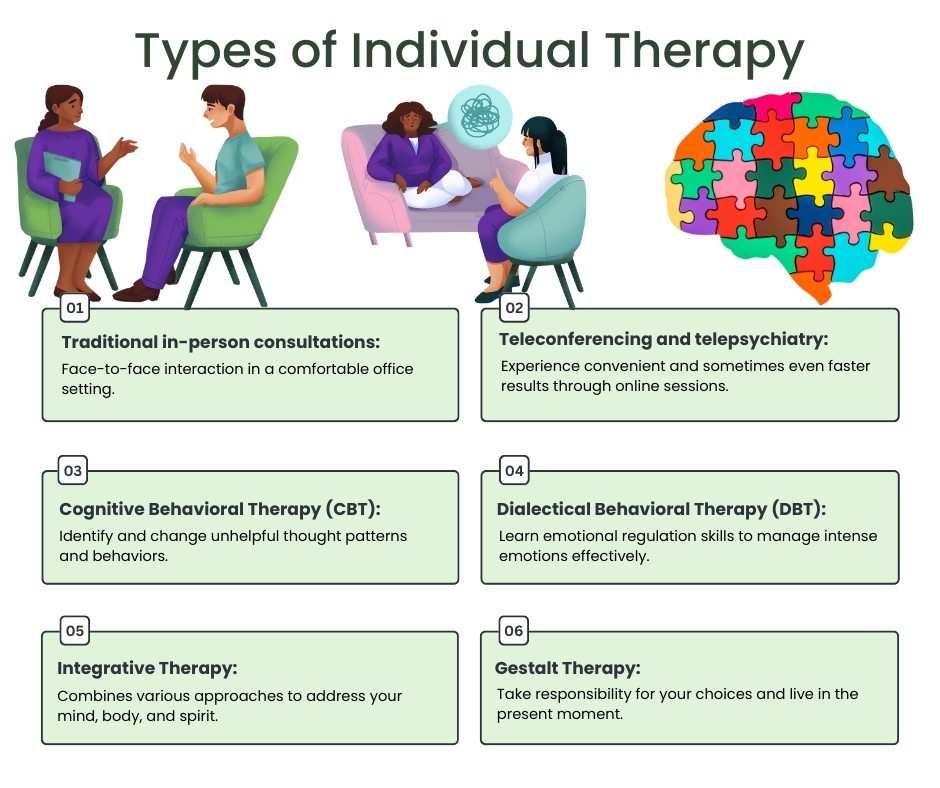
When you're attending to a significant psychological illness, finding out emotional guideline abilities, or functioning via significant life adjustments, regular consultations create structure and energy. As your signs and symptoms maintain or goals shift, you might shift to bi-weekly sessions or perhaps a regular monthly session. These less constant check-ins can still provide responsibility and room for representation, especially when therapy is part of a wider self-care or health care regimen.
Treatment is most efficient when it corresponds. The rate of your sessions straight affects how promptly and deeply you can process your emotions, create insight, and make behavior changes. Weekly treatment sessions, in certain, enable for real-time representation, helping you react to challenges as they occur. Irregular or seldom sessionsespecially very early oncan make it hard to build momentum or apply devices in between.
Bi-weekly sessions offer more flexibility and are frequently made use of after first progress has actually been made. This regularity might appropriate for people that remain in a more steady place or are taking care of moderate signs. That claimed, the prolonged void between sessions might restrict opportunities for real-time support and decrease the pace of adjustment.
Shifting the Chain of Caretaking
In these instances, constant sessions provide a supporting pressure, developing space for safety, processing, and emotional guideline. Some people also attend treatment a lot more often if they are going through partnership battles or if they are engaged in couples and family members therapy as well as private therapy.
Pairs treatment may also call for a more frequent tempo during times of dilemma or dispute to rebuild trust and interaction. A month-to-month session can be efficient for those in upkeep modepeople that have actually finished the much more intensive part of their therapy journey and currently look for occasional check-ins to stay based.
The very best way to identify the appropriate rate is via an open discussion with your specialist. They'll assist evaluate your goals, development, and needsand suggest an appropriate routine. Treatment frequency should progress with you. Many individuals begin with regular therapy sessions to develop relationship and momentum. With time, as dealing approaches become acquired behavior and difficulties are fixed, you might relocate to bi-weekly sessions or monthly upkeep sessions.

Latest Posts
Why Choose an EMDR Intensive
Mindfulness Techniques in treating Anxiety
Recognizing Intergenerational Trauma: A Path to Healing With Somatic Treatment and EMDR